
- You have no items in your shopping cart
- Subtotal: Tk. 0
 am.julash
Posted on
am.julash
Posted on
Low stakes live dealer tables have become the quiet middle ground for players who want a real human dealer without the pace or pressure of high rollers. For anyone working a standard week and only wanting to unwind after hours, the appeal is simple: live video, real cards, and chip sizes that match a casual budget. That setup suits a Geelong local finishing a shift at the waterfront or a Sydney renter squeezing in an arvo session between errands. The trick is finding tables where the minimum bet actually fits your plan, not just the marketing copy.
Tania Masters brings 22+ years in online gaming infrastructure, bingo platforms, payments, DevOps, operations, and PlayWise Systems integration. From that background, the real question is whether a platform’s payment rail and table pacing hold together when a player sits down for a slow evening rather than a fast spin. A low stakes live dealer room only works if the dealer cadence, stream stability, and cashout timing all line up with a modest bankroll. That is where the review focus starts.Manofmany
What Low Stakes Live Dealer Actually Looks Like Day to Day
The first thing worth checking is the table structure itself. A genuine low stakes live dealer setup keeps the minimum bet in a range that does not punish a casual rhythm, usually a few dollars per hand on blackjack or a small wheel segment on roulette. Providers in this space tend to run the same shoe rotation and shuffle cadence as their higher-limit rooms, just with smaller chip denominations and a slower pace. That matters because a rushed dealer at a cheap table feels worse than a patient one at a pricier room. The stream quality, audio clarity, and card visibility should be identical to the premium tables; otherwise the lower price is just a cheaper experience.
Positioning matters here. A well-built low stakes live dealer floor does not hide these tables at the bottom of a menu with a flashing banner. It places them alongside the rest of the live suite, with the same provider branding, the same game rules, and the same bet controls. That consistency is what separates a serious operator from a site that slaps a low minimum on a generic stream and calls it a product. Players should be able to compare timing against notes on Perth gambling forums, where slow transfers get flagged fast. When the table rules, dealer pace, and stream are consistent, a modest stake stops feeling like a compromise and starts feeling like a deliberate choice.
The game mix is worth a closer look too. A focused low stakes live dealer room leans on a small set of titles that actually suit smaller bets: blackjack with bat-95.fr clear rule variants, roulette with even-money outside bets, and maybe baccarat for players who prefer a simpler flow. Too many tables with obscure side bets or high-variance bonuses dilute the point. The point is a steady, readable session where the minimum bet stays meaningful without eating into a bankroll in five minutes. That is the kind of setup that respects a player who wants to sit for an hour, not a player chasing a spike.
Bankroll Fit: Two Player Scenarios That Make Sense
The first scenario is the casual evening player who wants a real dealer but does not want to think about bet sizing all night. For that player, a low stakes live dealer table with a minimum around a few dollars and a clear max bet works because the session can run on autopilot. The player sets a stop point, takes the dealer pace as it comes, and does not need to recalculate every hand. That is the practical value of smaller chip sizes: they let the game run at a human rhythm instead of forcing every decision into a high-stakes frame. A player in Geelong grabbing an hour after work fits this pattern well, especially when the table rules are plain and the dealer does not rush the shuffle.
The second scenario is the player who likes live dealer action but wants a tighter ceiling on variance. Here the useful detail is not just the minimum bet but the bet ladder and the side bet load. A sensible low stakes live dealer room keeps the minimum low while avoiding a max bet that jumps too sharply, and it keeps side bets optional rather than baked into the main table feel. That lets a player stay in the same room without drifting into bets that erase a modest bankroll. The session becomes a controlled read of the dealer, the shoe, and the wheel, not a gamble on every extra wrinkle.
A third scenario, if the room supports it, is the repeat player who treats low stakes live dealer as a regular habit rather than a one-off. That player cares about table availability at the hours they actually play, stable stream quality on a phone or laptop, and a dealer cadence that does not change every time they log in. Consistency is the real product here. When the same table structure shows up night after night, the player can plan a session around it instead of hoping the room feels the same when they return.
Ongoing Value After the Welcome Offer
A low stakes live dealer room only earns repeat play if the value keeps showing up after the first deposit. That means recurring promos that actually fit small-stakes tables, not just a one-off bonus that locks a player into a bet size they did not want. Cashback on live tables, for example, can soften a session without changing the way the table plays. Loyalty points that convert into table credit or small perks work better than a big bonus with a bet requirement that pushes a modest bankroll into a race. The point is to keep the player in the same low-stakes rhythm, not to drag them toward a higher-limit chase.
Tournament structures can help too, if they are built for smaller entries and clear pacing. A live dealer tournament with a modest buy-in and a straightforward leaderboard gives a player a reason to return without rewriting their bankroll plan. The same goes for VIP or loyalty tiers that reward frequency rather than chasing big deposits. A player who sits at a low minimum table most nights should be able to accrue something useful over time, even if each session is small. That is the difference between a welcome offer that fades and a room that keeps pulling a player back.
Ongoing value also shows up in support and table availability. If a player logs in at a regular hour and the low stakes live dealer tables are actually open, with a dealer and a stable stream, that is a form of value in itself. Support that answers a payment or table-rule question without dragging the issue out matters more here than a flashy loyalty badge. For players comparing timing against notes on Perth gambling forums, slow transfers get flagged fast, so a room that keeps its payment and support rhythm steady earns trust in a quiet way.
Payments, Cadence, and the Boring Details That Matter
Payments are where a low stakes live dealer room either feels solid or starts to feel fiddly. For an Australian player, the useful detail is how quickly a deposit lands and how cleanly a withdrawal moves back out. PayID is the obvious fit for a fast deposit into an AUD account, and it suits a player who wants to top up before an evening session without waiting on a card approval. Bank transfer timing is the flip side, and it is worth checking whether a withdrawal to a bank account lands in a sensible window or sits in a queue that feels longer than the table game itself. Card blocks can also surface if a payment method gets flagged for gambling-related activity, so a room that offers more than one path is less likely to leave a player stuck.
BPAY still has a place for players who prefer a bill-payment route or who want a separate trail for a modest session. It is not the fastest option, but it can suit a player who wants a deliberate deposit rather than a tap-and-go impulse. The key is that the payment options match the stakes. A low stakes live dealer player is not usually moving large sums, so the payment flow should feel proportionate: quick enough to not interrupt the session, clear enough to avoid surprises, and flexible enough that a single blocked card does not end the evening.
Currency and registration details matter here too. An AUD-denominated table keeps the maths straightforward, and a registration flow that asks for the right details without dragging out verification is part of the same picture. Mobile play should be the same table, not a stripped-down version, because a player sitting on a phone after work wants the same dealer and the same bet controls as on a laptop. Support should be reachable when a payment or table question comes up, and it should answer like someone who understands the room, not like a generic help script.
Where This Fits and Where It Does Not
Low stakes live dealer is a good fit for players who want a real dealer, a readable table, and a bankroll that does not need to behave like a high roller. It is less good for players chasing fast action, big side-bet variance, or a bonus structure that only makes sense at higher bet sizes. The room should be judged on whether it keeps the minimum sensible, the stream steady, and the payment rhythm clean, not on how loudly it markets the concept. A player in Geelong or anywhere else who wants a calm live session can find a solid fit here, provided the table rules, dealer pace, and cash flow all line up with a modest plan.heaps of wins free chip codes
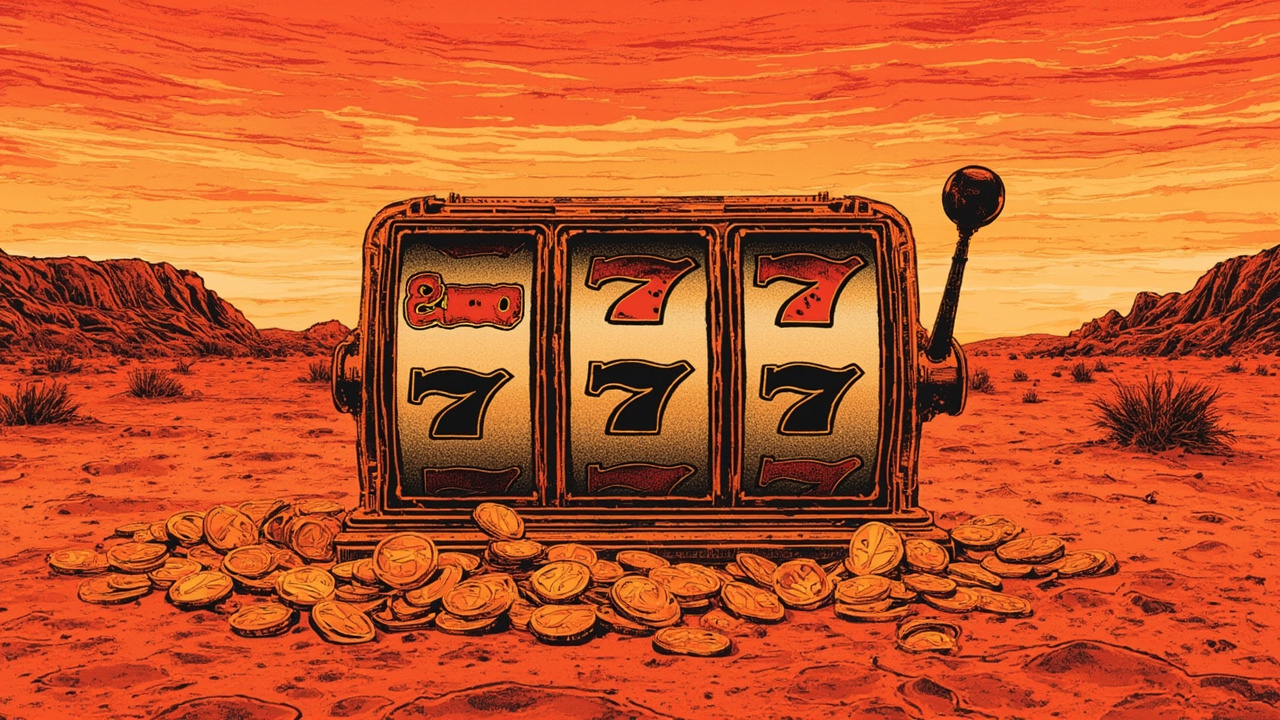
One detail worth keeping in mind is that live dealer history did not begin with live video streams. The Liberty Bell had three reels with symbols including horseshoes, spades, hearts and a cracked Liberty Bell, and that older mechanical lineage is a reminder that games evolve without losing their basic appeal. A modern low stakes live dealer room is a different medium, but the same principle applies: the table should feel coherent, the pace should suit the stakes, and the experience should hold together over a full session. That is the standard worth applying, not the loudest welcome banner.
No room in this space is a sure thing, and no bankroll plan removes the ordinary risks of play. What a good low stakes live dealer setup can do is give a player a steady, readable table with payment and support details that do not get in the way. For a player who wants a fair go at a real dealer without the high-limit pace, that is a practical enough reason to keep coming back.